



Fashion loves drama. It is what it was born for and what has allowed it to endure through the centuries, from the gossip at the court of Versailles to the feud between Coco Chanel and Elsa Schiaparelli. The problem is that today, with the digitisation of the most exclusive shows and the rise of accessibility as a trend, controversy has become a more dangerous weapon than ever. At a time when the industry proclaims itself increasingly democratic and inclusive, the boundary between personal visibility and collective cause is becoming ever thinner.
On the one hand, controversy brings publicity - as the endless examples from Demna’s era at Balenciaga have shown - but on the other, if poorly planned, it risks compromising the reputation of its creator. For this reason, in the contemporary fashion industry, it is always better to avoid turning collective initiatives into an exercise in personal branding.

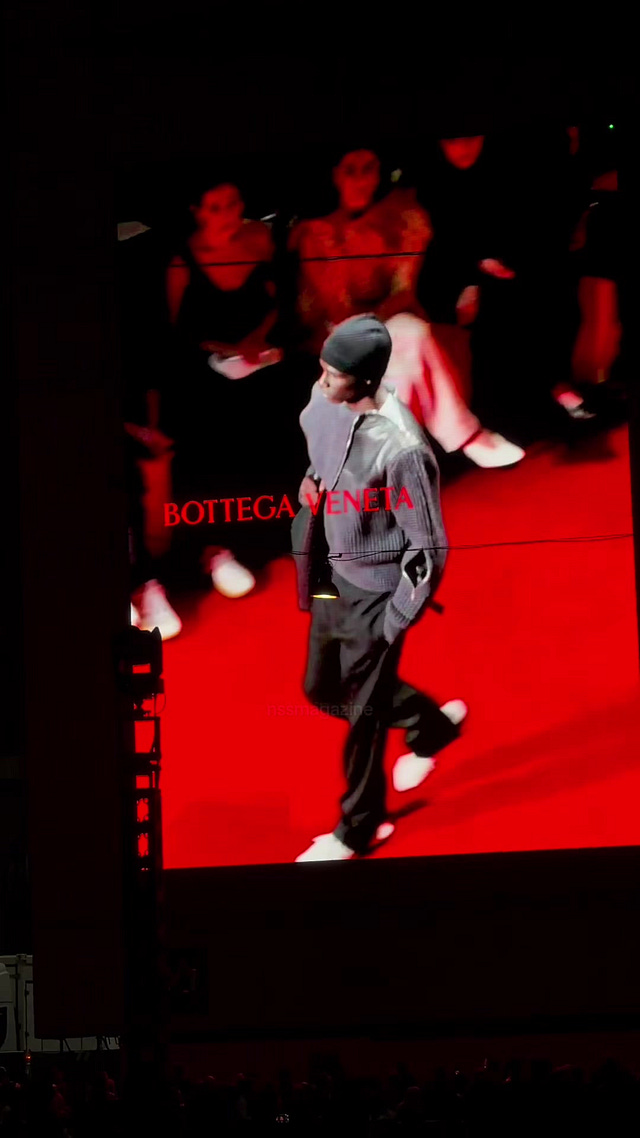
During this latest Fashion Month, one issue in particular stirred the waters among editors, content creators and the like: watch parties. A few days ago, following Vogue’s announcement of a streaming event dedicated to Balmain’s new show, digital creator Lyas lashed out on social media claiming that the media outlet had stolen his format. For about three seasons, the French creator has been documenting on Instagram “La Watch Party,” a show-streaming format which, starting from small French bars with just a few dozen people, now involves many fashion enthusiasts and Lyas’s followers. The project has grown to the point that some shows have been hosted in theaters with the support of sponsors and the brands themselves: many of them, such as Zomer, Willy Chavarria or Jacquemus, have even allowed some participants of La Watch Party to attend the show live.
 Tiktok failed to load.
Enable 3rd party cookies or use another browser
What created controversy was not so much the dispute raised by Lyas against Vogue, but the statements made by the content creator about the format. Editors, journalists, other creators, fashion enthusiasts and commentators have brought to light interesting aspects of the issue, from the true origin of fashion watch parties (does an owner, an inventor, really exist for this type of event?) to the purpose they should pursue. If the goal of a streaming event during Fashion Week is to make fashion more democratic and accessible, distancing itself from the voyeurism of the front rows, from talents and celebrities under the photographers’ spotlights, why should a single person take credit for it, not only claiming it but also monetising it? How can one attack the system if one then so easily accepts gifts and sponsored content on social media from the very same brands being criticised?

For Philippe Pourhashemi, author and fashion critic, egocentrism has no reason to persist when the goal is inclusivity. Moreover, the fact that a format dedicated to accessibility has also been supported by an established media outlet should be interpreted as the achievement of the goal itself, not as an affront. Just today, Valentino announced that their show will be broadcast live in the streets of Milan, Rome, and Naples. But the problem of individualism within the star system began long before watch parties and press gifts infiltrated the industry. «Fashion has the tendency to take political and societal issues and treat them as a trend, make them gimmicky and remove the politics,» Pourhashemi says. «It’s very nice that outsiders are pressuring the fashion industry to make it more democratic, but at the end of the day, it’s about actions,» he adds, emphasising that if the real reason why inclusive parties are organised is to gain fame and establish oneself in the industry, then the mission not only loses its meaning but ends up supporting what it was fighting against.
The problem does not concern only outsiders trying to break through and the system, Pourhashemi states, but a general tendency within fashion to exploit alternative powers to reinforce the establishment. «If you look at what’s been going on lately, runway shows, people being hired at houses, the lack of diversity, this obsession with very, very skinny bodies, it really feels like we’re going backwards to a conservative vision of fashion,» the critic observes. «Of course, brands are very smart, so they jump at the opportunity for press,» he adds. Recalling the time when Lyas complained on his social channels about not being invited to the Dior show, only to then be welcomed by Jonathan Anderson himself at the show’s re-see and receive a Maison bag as a gift, the critic underlines how, despite the conservative period, brands still enjoy involving outsider and alternative figures, especially when the result is publicity.
The real question, faced with a format born for people who do not have access to luxury but now transformed into a marketing stunt that feeds the very system it criticises, is: «are you against the system, or are you collaborating with them?». Certainly, one cannot blame a single creator for having turned a democratic project into an advertising platform; in fact, Lyas himself, by directing all this attention toward himself, risks jeopardising his own reputation. What will happen when brands have exhausted the popularity of these events, or worse when they claim the credit for them, turning them into yet another inaccessible service? In the end, it may be wiser to set individualism aside and dedicate oneself to the cause, even celebrating the media outlets that decide to support it. After all, isn’t that what would truly make fashion democratic and inclusive?