



If in recent days you too have come across an avalanche of memes about horses and the prominent role they apparently will play in our lives this year, there is an explanation. Chinese New Year is just around the corner, a holiday lasting a full two weeks that will soon, starting from February 17, bid farewell to the sign of the Snake and welcome that of the Horse.
In ancient Chinese culture, the animal represents movement, freedom, and creation: after the charm, mystery, and reflection - and for some even the destruction - brought by the Snake, the new year calls for a fresh start at a gallop, filled with courage and renewed energy. Fashion, as always, is already keeping pace with the trend, launching here and there collections inspired by the new lunar year. It is possible, however, that the influence of the sign of the Horse in the industry will go far beyond capsule collections and other marketing ploys.
Fashion brands’ collections for Chinese New Year increase year after year - and for good reason, considering it is the best shopping period in China. According to Jing Daily, in 2025 the holidays celebrating the arrival of the new lunar year generated 501 million domestic trips, an increase of 5.9% compared to the previous year, along with tourism spending rising by 7% to reach 677 billion RMB (79 billion euros).


Among the brands that have prepared something special for Chinese New Year, Diesel stands out with a dedicated capsule collection, followed by Chloé, Tod’s, Loewe, and Loro Piana, which have developed adorable little horse-shaped keychains in leather, silver, gold, and other precious materials. For the new lunar year, Dior has not only created a dedicated children’s line, menswear, and womenswear, but also a limited-edition Grand Soir watch in mother-of-pearl, gold, and colored gemstones. Louis Vuitton, on the other hand, alongside some classic monogrammed accessories, lacquered a small collectible trunk in red with a wooden horse sitting on top and created an entire collection of Vivienne Horse pins and charms in yellow and white gold with diamond pavé.

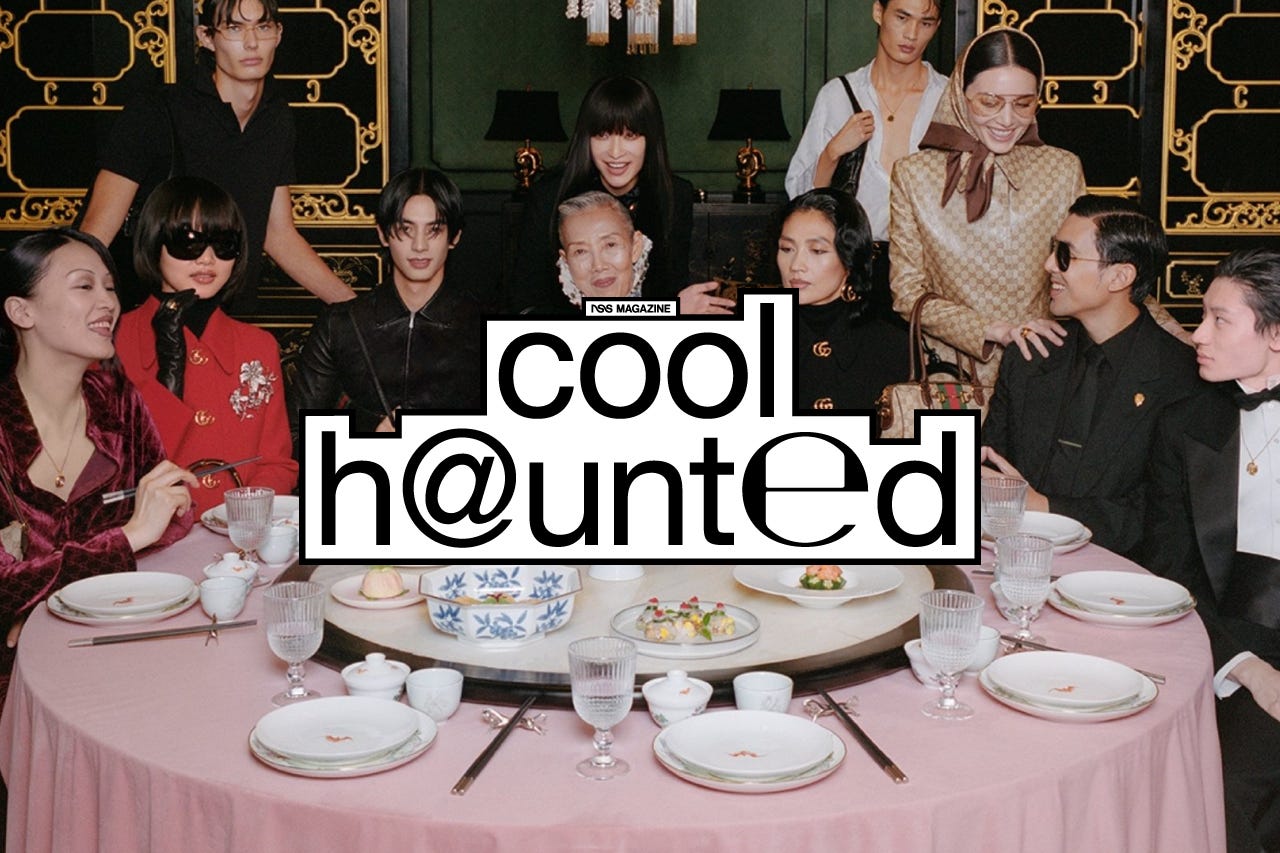
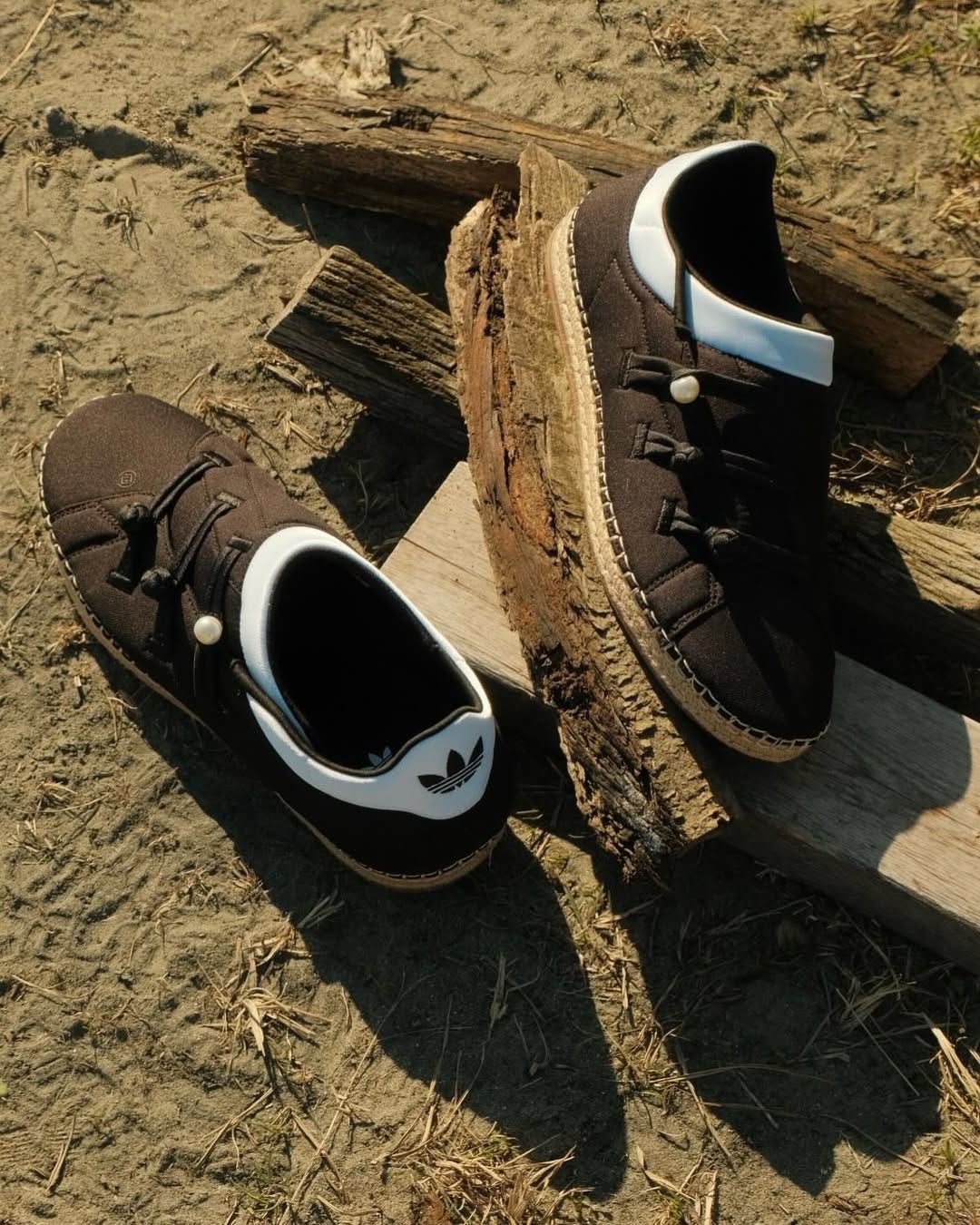
Others have chosen to participate in the Chinese New Year celebrations with greater intent, collaborating with companies and brands from the country. A choice that positions the Western brands in question in a more advantageous situation in terms of cultural relevance and visibility, one could add. Barbour worked with menswear designer Feng Chen Wang, originally from China but currently based in London, on a collection, while H&M collaborated with Jacques Wei through Shanghai Fashion Week. adidas, which in recent months went viral for its frog-button jacket (available only in China), created the Qi Flow sneakers with the local brand Clot, featuring the same detail; finally, Gucci, now under the creative direction of Demna, launched The Gathering, a campaign celebrating human connection.
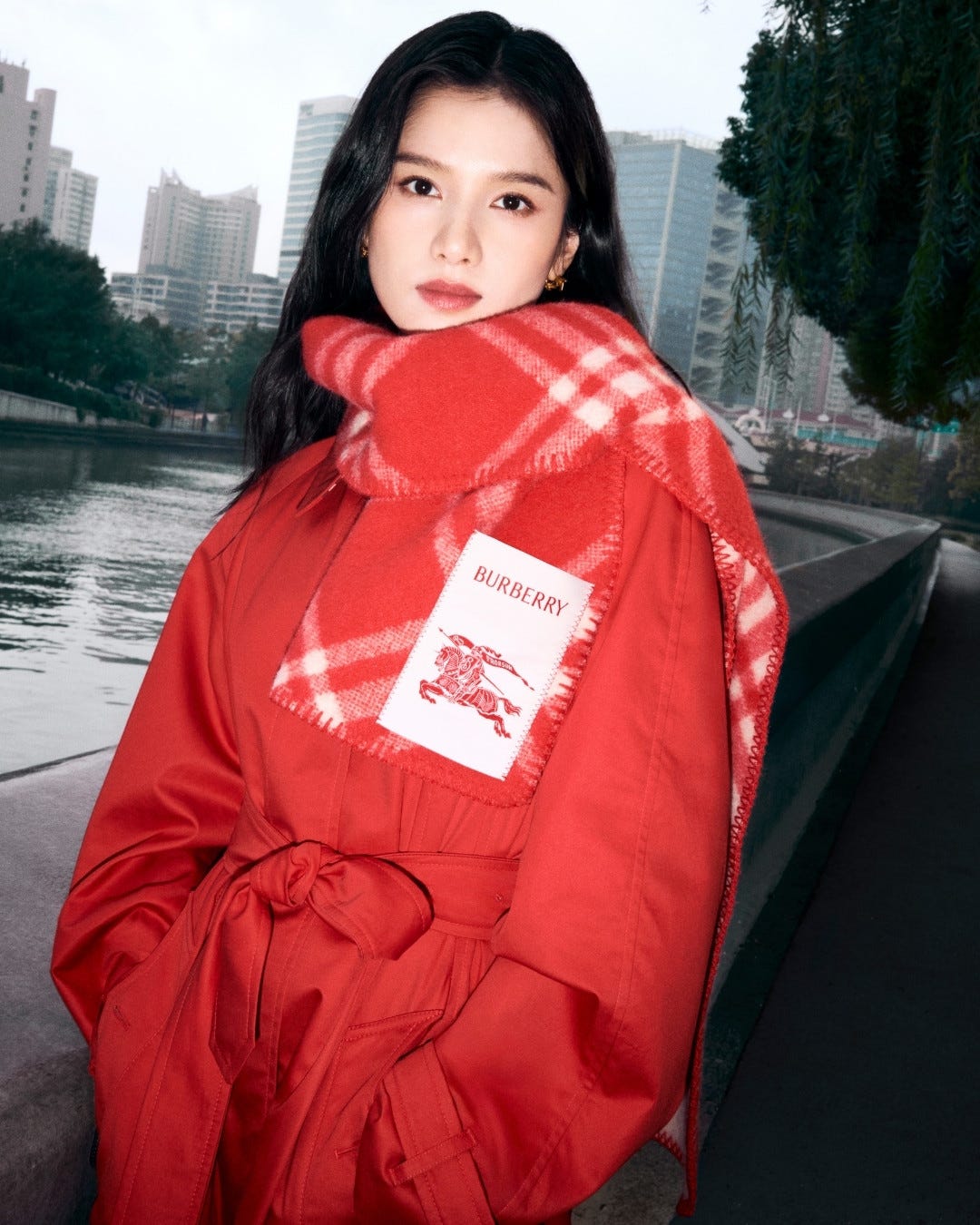
It is hard to be surprised by the dedication with which Burberry, a house historically linked to an equestrian imagery, is embracing this new lunar year. A short film, a collaboration with three of the brand’s actors and ambassadors (all Chinese), and an entire «designed to be gifted» collection splash the brand’s website with red (the lucky color of the New Year), with the plaid motif and the Equestrian Knight logo dominating the entire capsule, from golden pins to wool cloak fringes, from waterproof trench coats to watercolor-decorated scarves. Additionally, the house commissioned artist Liao Wenjun to transform the windows of all Asia-Pacific boutiques with his paintings.
That 2026 is dedicated to the figure of the Horse is a grand premise for a brand like Burberry, born and raised for the English aristocracy of fox hunting in luxurious country estates, yet it seems that consumers have a clear idea of how to incorporate the energy of the new lunar year into their wardrobes. And it doesn’t seem that much of the British campaign’s elements, such as light-colored trousers tucked into tall boots, tailored blazers, polos, and padded vests, play a role, but rather the details of a free and unspoiled nature: the sound of hooves muffled by the grass, the softness of a horse’s coat slipping through the fingers, the mosses and lichens covering the earth.

In the Chinese Zodiac, the Horse (马, Mǎ) represents vital energy, movement, and freedom. 2026 is associated with Yang energy - active, expansive, and solar - as well as a desire for autonomy and a rejection of constraints. In the cyclical succession of the twelve Zodiac animals, the Horse occupies the center, and like a hand pointing to noon, it embodies the peak of energy; a drive that, if not balanced, can lead to impulsiveness and loss of control. If we compare this idea to the Western conception of the animal - linked to work, whether agricultural or equestrian, and to war - a certain discrepancy becomes evident.
In 2026, fashion will need to pay attention to the figure of the Horse to keep up with the times (and with memes, which now dictate culture), but it will have to abandon the composure of English dressage in favor of greater spontaneity and fun - to be clear, what consumers are looking for is more of a bareback ride. This theory is supported by trend forecasters’ predictions: Heuritech announced that fur details, leather pants, and plaid will see spikes in searches over the next twelve months; Pinterest Predicts, on the other hand, stated that one of the year’s guiding aesthetics will be Wilderkind, a phenomenon centered on animal-inspired outfits (a term that on the platform has seen a 90% increase in searches over the past month).
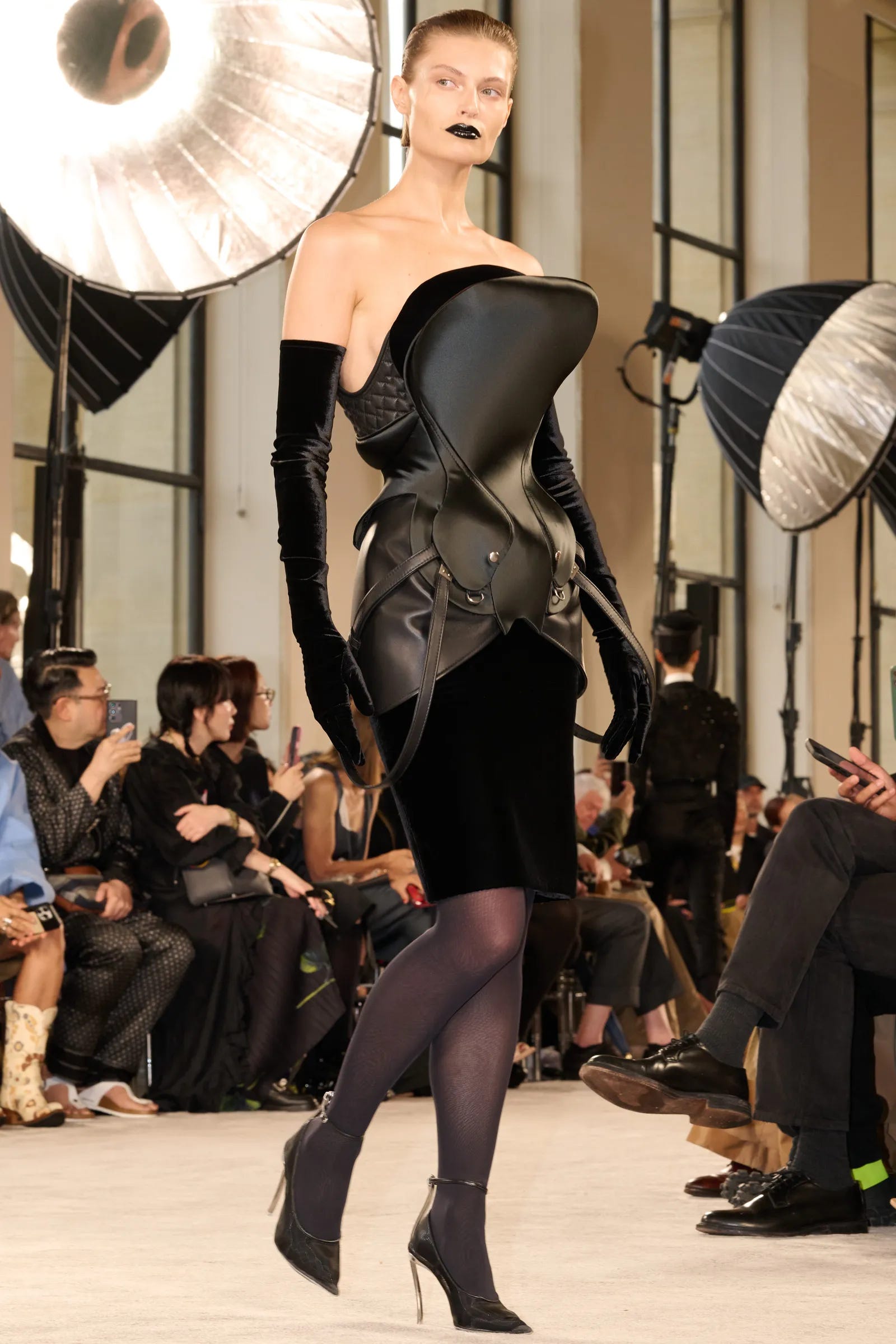
In short, for the Year of the Horse, one should think more about wildlife and less about horseback riding. Even so, some brands have already managed to balance the two worlds: for the Couture FW25 collection, Schiaparelli presented a dress with a leather saddle serving as a corset, while a couple of seasons ago JW Anderson decorated knitwear with long colorful rosettes, which were also studied by Sandy Liang, who transformed them into pins, and by Hodakova, who used them for bags and miniskirts. Known for reusing scrap materials, the Swedish brand founded by Ellen Hodakova Larsson even incorporated riding bridles in its latest collection, reinterpreted as harnesses worn over long gray shirts.
The inspiration, then, is no longer the rider, as Burberry or famously Hermès and Chanel have led us to believe for years, but the horse. Collina Strada knows this well: the brand has long collaborated with Stella Stallion, also known as Horsegiirl420, a German DJ and musician who gained recognition for her alternative look featuring a horse mask and for the track My Barn My Rules. If you think that collaborating with an artist like Horsegiirl420 is a bit much for a luxury brand aiming to approach the equine universe in 2026, the archives show that in the past there have been maisons and designers equally daring.


After all, it hasn’t been that many years since Martin Margiela surprised the entire industry with the Tabi, the same shoes that in recent seasons have returned to fashion, even becoming the center of a TikTok scandal. And we are not so far from the year when Phoebe Philo showcased an entire horsehair back on a Cèline top (Pre-Fall 2011) or when Stella McCartney printed enormous equine silhouettes on tops, skirts, suits, miniskirts, and polos for Chloé (Spring Summer 2001). The only difference between twenty years ago and now is that contemporary brands prefer to put their face on it. Like Rick Owens, who has long drawn inspiration from the centaur silhouette for both footwear and accessories such as that time he invented an artificial tail, or the other time he appeared with an actual horse for a short film made with Danielle Levitt.


Of all these examples, the lesson that brands should take in 2026 is to have fun. To let go of the boring, albeit extremely elegant, aesthetic of English horseback riding, and to explore the mystical figure of the horse in a more conscious way. Especially because nowadays cultural visibility for Western brands no longer comes from a superficial aesthetic rendering, but from a deeper, more philosophical engagement with the theme. In such a sensitive period for luxury, simply scattering fringes and whips over a couple of collections will no longer be enough to win consumer approval. Brands will need to identify with the trend, not just ride it.